/filters:format(jpeg,png)/fit-in/300x300/guide_websites/66280/images/1785840875708img_0840.jpg)
/filters:format(jpeg,png)/fit-in/237x80/guide_websites/66280/images/1785840875708img_0840.jpg)

How to Choose the Best Fishing Company for Your Adventure
%2Ffit-in%2F1000x1000%2Ffilters%3Aformat(webp)%2Fundefined&w=1920&q=75)
Updated: September 17, 2026
How to Choose the Best Fishing Company for Your Next Adventure
Selecting the right fishing operation can make or break your time on the water. Whether you're planning a half-day charter or a multi-day expedition, the fishing company you choose directly impacts your success, safety, and overall experience. With thousands of operators across the country—from small-town guides to large commercial fleets—knowing what separates professional outfitters from weekend warriors becomes crucial for any angler serious about their investment.
Essential Credentials and Licensing
A legitimate fishing charter company operates under proper federal and state licensing. Coast Guard-licensed captains hold either a six-pack license (up to six passengers) or a master's license for larger vessels. These certifications require extensive training in navigation, safety protocols, and emergency procedures.
Beyond captain credentials, reputable operators carry comprehensive commercial fishing insurance and maintain current vessel documentation. Ask potential companies about their insurance coverage—legitimate businesses won't hesitate to provide this information.
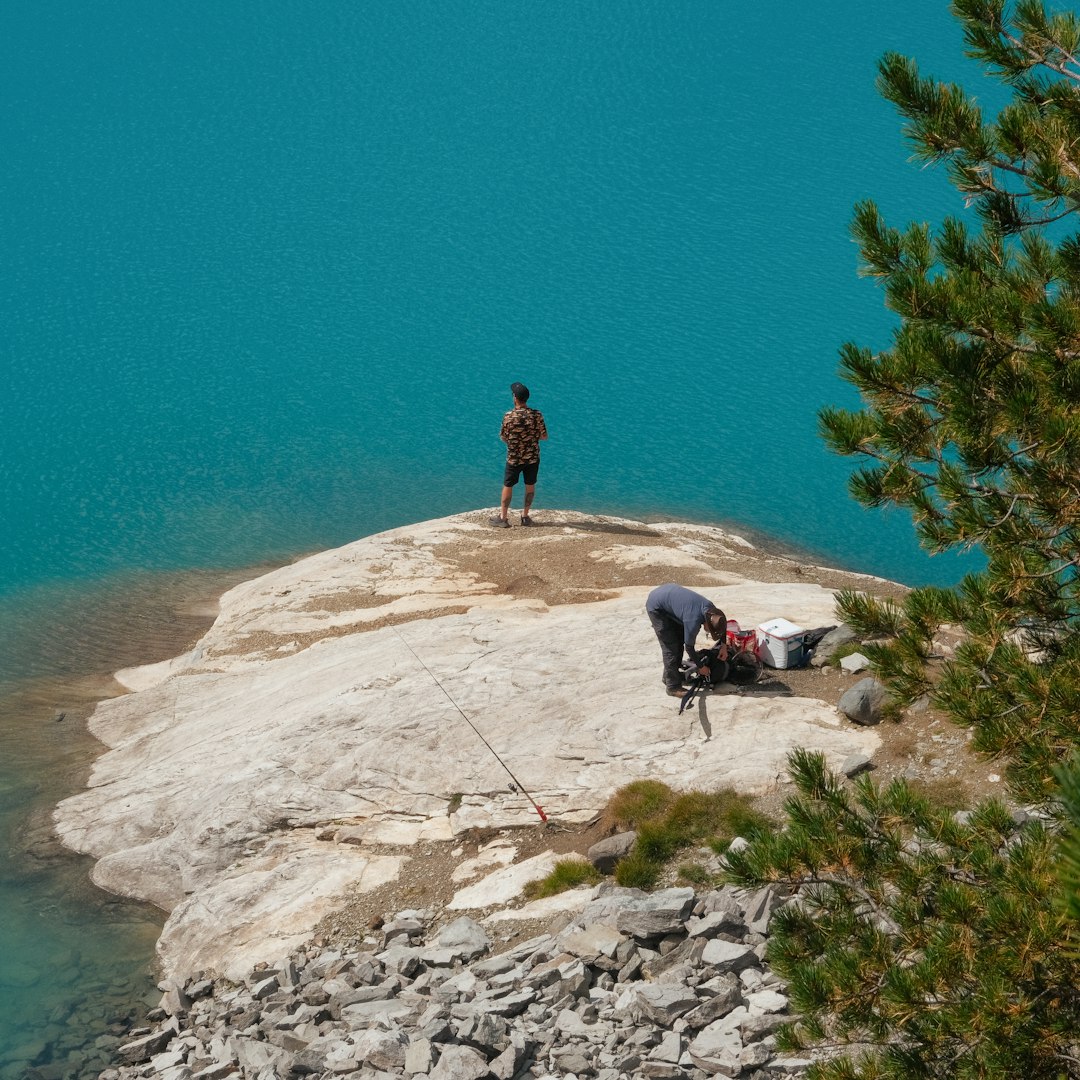
State fishing licenses represent another non-negotiable requirement. Professional guides maintain commercial fishing licenses and should include customer licenses in their service package or clearly outline licensing responsibilities before your trip.
Safety Standards and Equipment
The best fishing company prioritizes safety through well-maintained equipment and clear protocols. Modern life jackets, first aid supplies, emergency beacons, and communication equipment should be standard aboard any professional vessel.
Inspect the boat's condition during your initial consultation. Professional operators take pride in clean, organized vessels with functioning safety gear. Engines should run smoothly, and all electrical systems need to operate properly.
Ask about emergency procedures and weather policies. Experienced captains won't hesitate to cancel or postpone trips when conditions become unsafe, even if it means lost revenue.
Local Knowledge and Experience
Years of experience in specific waters translate directly to fishing success. A seasoned local fishing company understands seasonal patterns, productive fishing spots, and daily conditions that determine where fish concentrate.
During your research, ask potential guides about their experience in local waters. How long have they operated in the area? Can they adapt to changing conditions throughout the day? Do they maintain detailed logs of successful trips and techniques?

The most successful fishing charter company operators treat their knowledge as a professional asset, continuously learning and adapting their strategies based on seasonal changes and fish behavior patterns.
Equipment Quality and Maintenance
Professional fishing operations invest in quality gear and maintain it meticulously. Rods, reels, tackle, and bait should reflect the standards you'd expect from a serious angler, not bargain-basement equipment that breaks under pressure.
Many top-tier companies provide high-end tackle as part of their service package. Penn, Shimano, and other respected manufacturers typically indicate serious investment in equipment quality.
Bait quality often separates good fishing companies from great ones. Fresh, properly stored bait significantly improves your chances of success compared to frozen or poorly maintained alternatives.
Customer Reviews and References
Modern anglers rely heavily on online reviews, but smart research goes beyond simple star ratings. Look for detailed reviews that discuss specific aspects of the experience: captain knowledge, fish caught, safety practices, and overall value.
Pay attention to how companies respond to negative reviews. Professional operators address concerns constructively and work to resolve issues, while less reputable businesses might ignore criticism or respond defensively.
Don't hesitate to ask for references from recent customers. A confident deep sea fishing company or charter service will gladly provide contact information for satisfied clients.
Pricing Structure and Value
While cost shouldn't be your only consideration, understanding pricing structures helps identify both bargains and potential red flags. Extremely low prices often indicate corner-cutting on safety, equipment, or experience.
Transparent pricing includes all necessary fees upfront. Hidden charges for fuel, cleaning, or equipment use suggest questionable business practices. The best fishing company operators provide clear, comprehensive pricing that lets you budget accurately.
Consider the total value package: trip duration, group size, equipment provided, licensing, and additional services like fish cleaning or packaging.
Specialization and Target Species
Different fishing companies excel in different areas. Some commercial fishing company operations focus on deep-water species, while others specialize in near-shore or freshwater fishing. Match the operator's expertise with your target species and preferred fishing style.
Specialists often provide better experiences than generalists. A captain who focuses exclusively on tarpon fishing typically outperforms someone who offers tarpon trips alongside completely different fishing styles.
Ask about recent success rates for your target species. Honest operators will provide realistic expectations rather than guaranteeing results that may not be achievable.
Communication and Professionalism
Professional communication often predicts the quality of your fishing experience. Prompt responses to inquiries, clear explanations of services, and detailed pre-trip information demonstrate organizational skills that translate to well-managed fishing trips.
The best local fishing company operators maintain professional websites, active social media presence, and systematic booking procedures. They confirm trips in advance, provide weather updates, and communicate any changes promptly.
Initial conversations should cover trip expectations, required preparation, cancellation policies, and contingency plans for weather-related changes.
Making Your Final Decision
After evaluating credentials, safety standards, experience, and customer feedback, trust your instincts about the operator's professionalism and expertise. The right fishing company will demonstrate knowledge, prioritize safety, and show genuine enthusiasm for providing excellent fishing experiences.
Schedule a brief consultation before booking expensive trips. This conversation reveals communication skills, local knowledge, and whether the operator's personality matches your expectations for a day on the water.
Ready to book your next fishing adventure? Contact reputable operators in your target area to discuss trip options, compare services, and secure dates for what could become your most memorable fishing experience yet.
Choosing the right fishing company requires careful evaluation of credentials, safety practices, local expertise, and customer service standards. The extra time spent researching operators pays dividends through safer, more productive, and ultimately more enjoyable fishing experiences. Remember that the cheapest option rarely provides the best value, while the most expensive doesn't guarantee superior results. Focus on finding operators who demonstrate professionalism, prioritize safety, and possess the local knowledge that turns good fishing trips into exceptional adventures.