/filters:format(jpeg,png)/fit-in/300x300/guide_websites/66280/images/1785840875708img_0840.jpg)
/filters:format(jpeg,png)/fit-in/237x80/guide_websites/66280/images/1785840875708img_0840.jpg)
//users/d62ad4a3-7012-4d8d-84d8-609e5b9121a1/ratecard/spfishing44-mshhrq38.jpg)
%2Ffit-in%2F300x300%2Fusers%2Fd62ad4a3-7012-4d8d-84d8-609e5b9121a1%2Fratecard%2Fspfishing44-mshhrq38.jpg&w=256&q=75)
%2F300x300%2Fusers%2Fd62ad4a3-7012-4d8d-84d8-609e5b9121a1%2Fimages%2Fscuba-diving-underwater-adventure-2188.webp&w=256&q=75)
%2F300x300%2Fusers%2Fd62ad4a3-7012-4d8d-84d8-609e5b9121a1%2Fimages%2Fscuba-divers-celebrating-underwater-adventure-2173.webp&w=256&q=75)
%2F300x300%2Fusers%2Fd62ad4a3-7012-4d8d-84d8-609e5b9121a1%2Fimages%2F1788332130147image%20(3)-mtjqzgt6.avif&w=256&q=75)
%2F300x300%2Fusers%2Fd62ad4a3-7012-4d8d-84d8-609e5b9121a1%2Fimages%2Foffshore-fishing-boat-adventure-2315.webp&w=256&q=75)
%2F300x300%2Fusers%2Fd62ad4a3-7012-4d8d-84d8-609e5b9121a1%2Fimages%2Fscuba-divers-preparing-underwater-dive-2536.webp&w=256&q=75)
%2F300x300%2Fusers%2Fd62ad4a3-7012-4d8d-84d8-609e5b9121a1%2Fimages%2Fscuba-divers-exploring-underwater-wreck-2351.webp&w=256&q=75)
%2F300x300%2Fusers%2Fd62ad4a3-7012-4d8d-84d8-609e5b9121a1%2Fimages%2Fdeep-blue-ocean-waters-2490.webp&w=256&q=75)
%2F300x300%2Fusers%2Fd62ad4a3-7012-4d8d-84d8-609e5b9121a1%2Fimages%2Fstarlit-night-fishing-waters-2350.jpg&w=256&q=75)
%2F300x300%2Fusers%2Fd62ad4a3-7012-4d8d-84d8-609e5b9121a1%2Fimages%2Ffishing-boat-birds-sunset-action-2408.webp&w=256&q=75)
%2F300x300%2Fusers%2Fd62ad4a3-7012-4d8d-84d8-609e5b9121a1%2Fimages%2Fscuba-diver-underwater-exploration-2797.jpg&w=256&q=75)
Spear Fishing Adventure
 Boston, MA, United States
What you will be catching:
 Albacore Tuna
 Atlantic Bonito
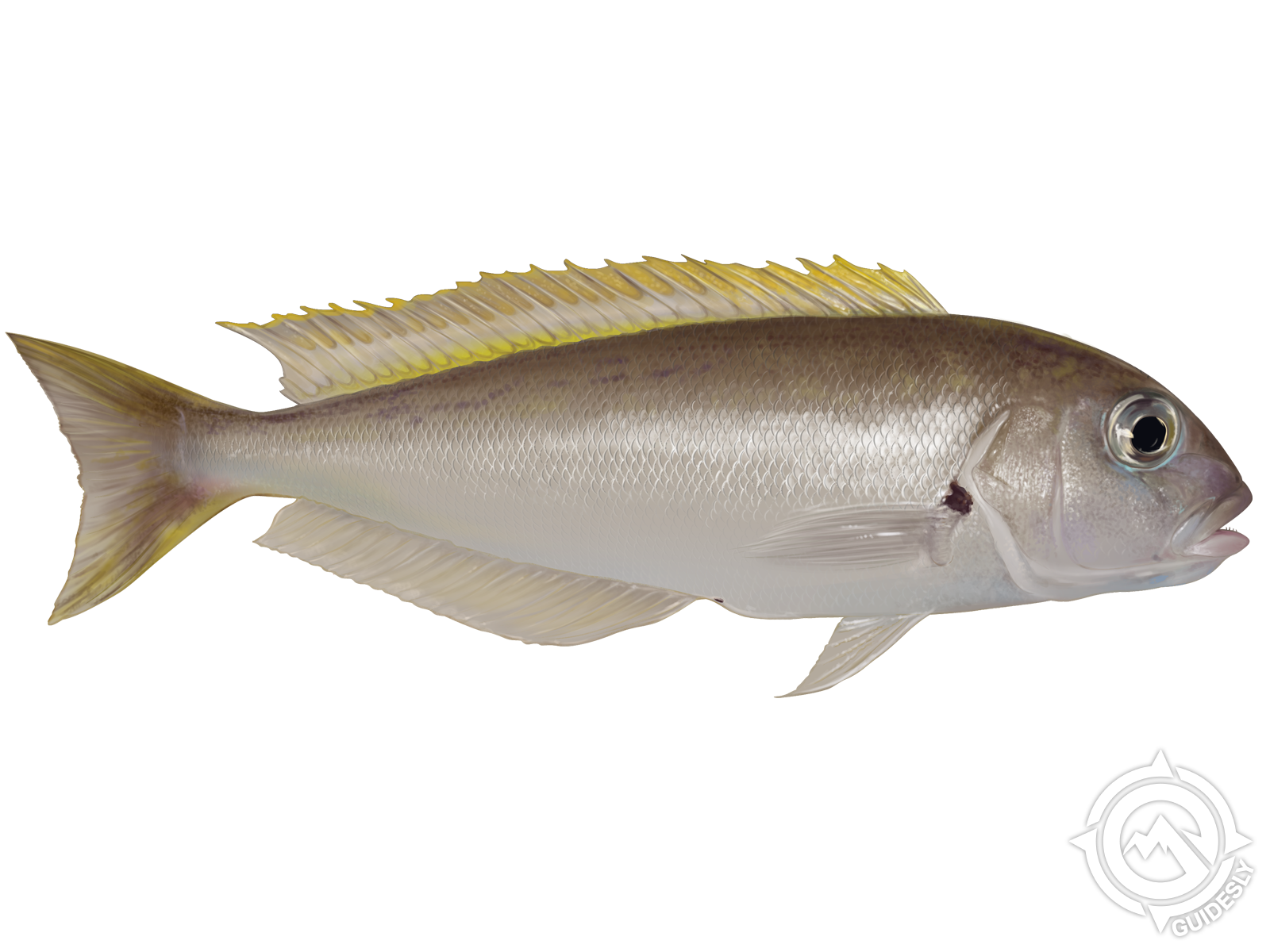 Atlantic Goldeneye Tilefish
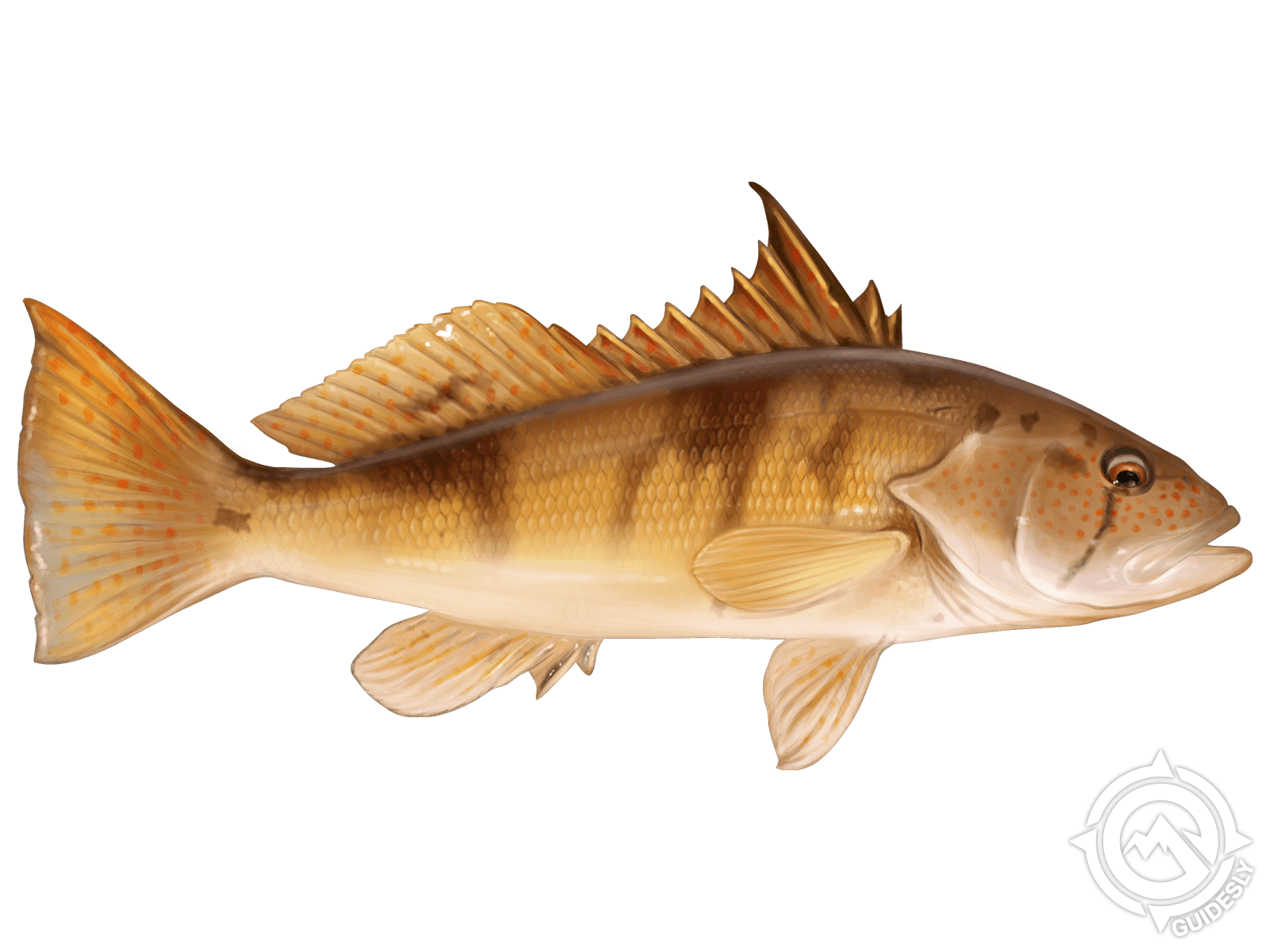
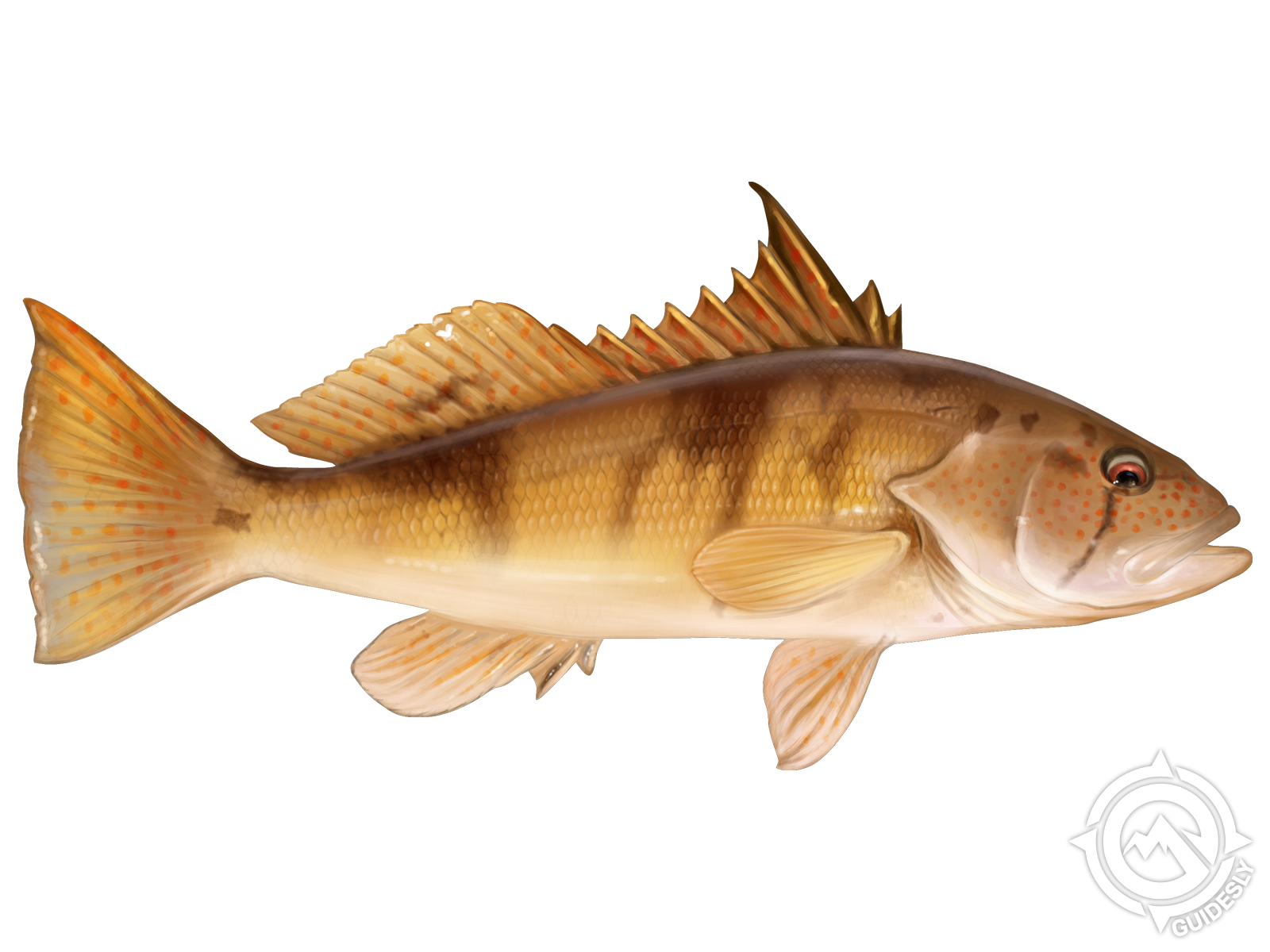 Barred Sand Bass
Trip Pricing and Availabilities :
Spear Fishing Adventure
You've heard about spearfishing, but have you actually tried it? This is way different from your typical rod-and-reel setup. We're talking about getting in the water, holding your breath, and going after fish the way humans have done it for thousands of years. James Fishing Company offers a world-class spearfishing experience that'll push your limits and give you stories to tell for years. This isn't some touristy snorkel trip - it's the real deal, where patience meets precision and every shot counts.
What to Expect on the Water
This top-rated spearfishing trip is built for one angler at a time, which means you get my full attention and can move at your own pace. We'll start early to catch the best conditions and fish activity. I'll brief you on safety protocols, hand signals, and proper speargun handling before we even get wet. The water clarity makes a huge difference in spearfishing success, so we pick our spots based on current conditions and what the fish are doing. You'll spend most of your time freediving - no scuba tanks here - which keeps things quiet and natural. The fish behave differently when they don't hear bubbles and mechanical noise. Between dives, we'll talk strategy, review your technique, and plan the next approach. Don't worry if you're new to this - I've guided plenty of first-timers who walked away hooked on the sport.
Gear Setup & Techniques
I provide all the essential spearfishing gear: spearguns, masks, fins, wetsuits, and weight belts sized to fit you properly. The speargun we use is a pneumatic model - reliable, accurate, and perfect for the species we're targeting. I'll show you proper loading technique, aiming fundamentals, and how to approach fish without spooking them. Breath-hold technique is crucial, so we'll work on relaxation and efficient swimming to maximize your bottom time. Most successful shots happen within 6-8 feet of your target, so stealth trumps distance every time. We practice camouflage techniques, using kelp and structure to mask your approach. Shot placement is everything - I'll teach you where to aim on different species for clean, ethical harvests. The learning curve is steep but rewarding, and you'll see improvement with each dive.
Target Species Breakdown
Albacore Tuna are the speedsters of our target list and arguably the most challenging fish you'll encounter on this trip. These silver bullets can hit 40 mph when they want to, but they're curious enough to investigate a patient spearfisher. Albacores typically show up in our waters during late summer through fall when water temperatures climb above 60 degrees. They travel in schools, so spotting one usually means there are more nearby. The meat quality is outstanding - firm, red flesh that's perfect for sashimi or searing. Landing an albacore on a spear is a badge of honor that'll earn you respect in any spearfishing circle.
Barred Sand Bass are your bread-and-butter target species - they're plentiful, curious, and make for excellent eating. These guys love structure and will often hold tight to rocks, kelp, or artificial reefs. They're ambush predators, so they're used to staying still, which works in your favor as a spearo. Sand bass are active year-round but peak during spring and summer months. They typically run 2-5 pounds, with occasional bigger specimens pushing 8-10 pounds. Their silver sides with dark bars make them easy to identify underwater. They're also pretty forgiving for beginners since they don't spook as easily as some other species.
Atlantic Goldeneye Tilefish are the deep-water specialists on our list, usually found in 200-600 feet of water around rocky bottom and structure. These colorful fish have golden spots along their sides and make for spectacular underwater photography subjects. They're bottom dwellers that feed on crabs, shrimp, and small fish, so look for them near ledges and drop-offs. Goldeneyes are most active during cooler months, and they're known for their excellent table fare - white, flaky meat that's mild and versatile. They're not particularly wary of divers, making them good targets for intermediate spearos looking to build confidence.
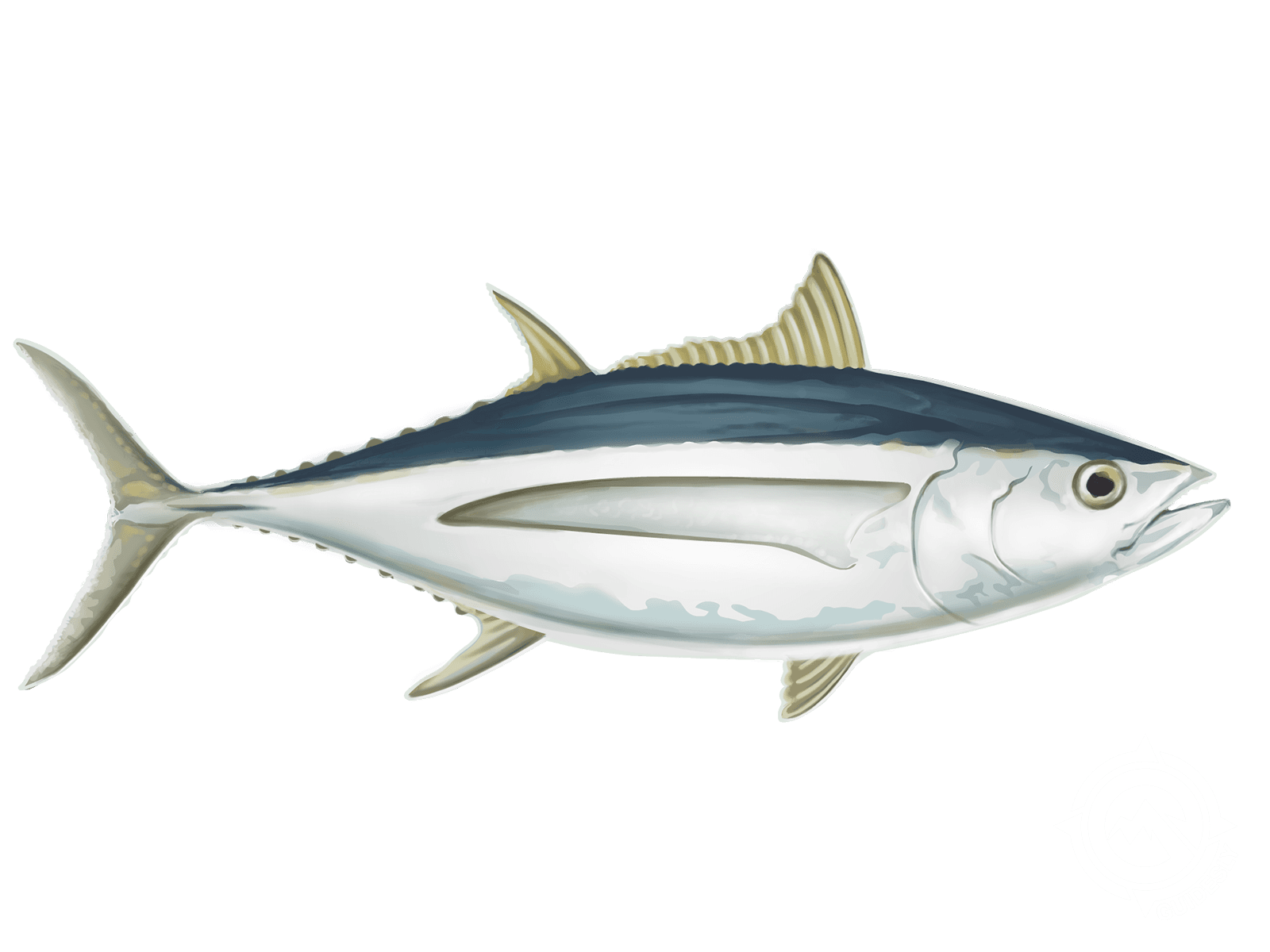
Atlantic Bonito are the workout fish - fast, strong, and always ready to test your equipment and skills. These torpedo-shaped predators are built for speed and endurance, with dark stripes running along their metallic blue-green backs. Bonito are seasonal visitors, typically showing up during their migration periods in spring and fall. They're schooling fish that feed aggressively on baitfish near the surface. When you find feeding bonito, the action can be non-stop, but you'll need to be quick and accurate. Their meat has a rich, robust flavor that's perfect for grilling or smoking. Successfully spearing a bonito requires reading water conditions and predicting their movement patterns.
Time to Book Your Spot
Spearfishing isn't just another day on the water - it's a skill that connects you directly with the marine environment in ways that conventional angling simply can't match. The combination of physical challenge, mental focus, and primal hunting instinct creates an experience that's both meditative and pulse-pounding. Whether you're looking to try something completely new or sharpen existing freediving skills, this customer favorite trip delivers results. James Fishing Company has built a reputation on safety, education, and putting clients on fish, and this personalized spearfishing adventure showcases all three. Space is limited to maintain quality, and the best conditions don't last forever. Ready to see what you're made of underwater? Let's get you booked and in the water where the real action happens.
Learn more about the animals
Albacore Tuna
These bullet-shaped speedsters run 18-25 inches and 20-45 pounds, though they never stop moving since they need constant water flow for oxygen. You'll find them in deep subtropical waters where they school up in massive groups - sometimes 19 miles wide. March through July is prime time when they're spawning and feeding actively during daylight hours. What makes albacore special is the meat - it's the only tuna that can legally be sold as "white meat" with that firm texture and mild flavor. They put up a solid fight and travel in such big schools that once you hook into one, you're usually in for multiple fish. Pro tip: when trolling, keep your lures 50-90 feet behind the boat, and whatever you do, don't lose that first fish or the whole school will spook and disappear on you.
Atlantic Bonito
These silver rockets look like small tuna with dark stripes and can hit 40 mph when they're chasing bait. Most run around 12 pounds and 30 inches, schooling up in massive groups that feed right on the surface. You'll find them in coastal Atlantic waters from spring through fall, and they're easy to spot - look for diving birds and dorsal fins cutting the surface like mini sharks. They're pelagic fish, staying in mid-water rather than hugging bottom, and prefer temps in the 60s. What's fun about bonito is the chaos when you find a feeding school - they'll hit almost anything you throw at them. They're not great table fare here, but they fight hard and make excellent bait for bigger game. Here's the key: once you locate a school, work fast with small lures or live bait because they move constantly and won't stick around long.

Atlantic Goldeneye Tilefish
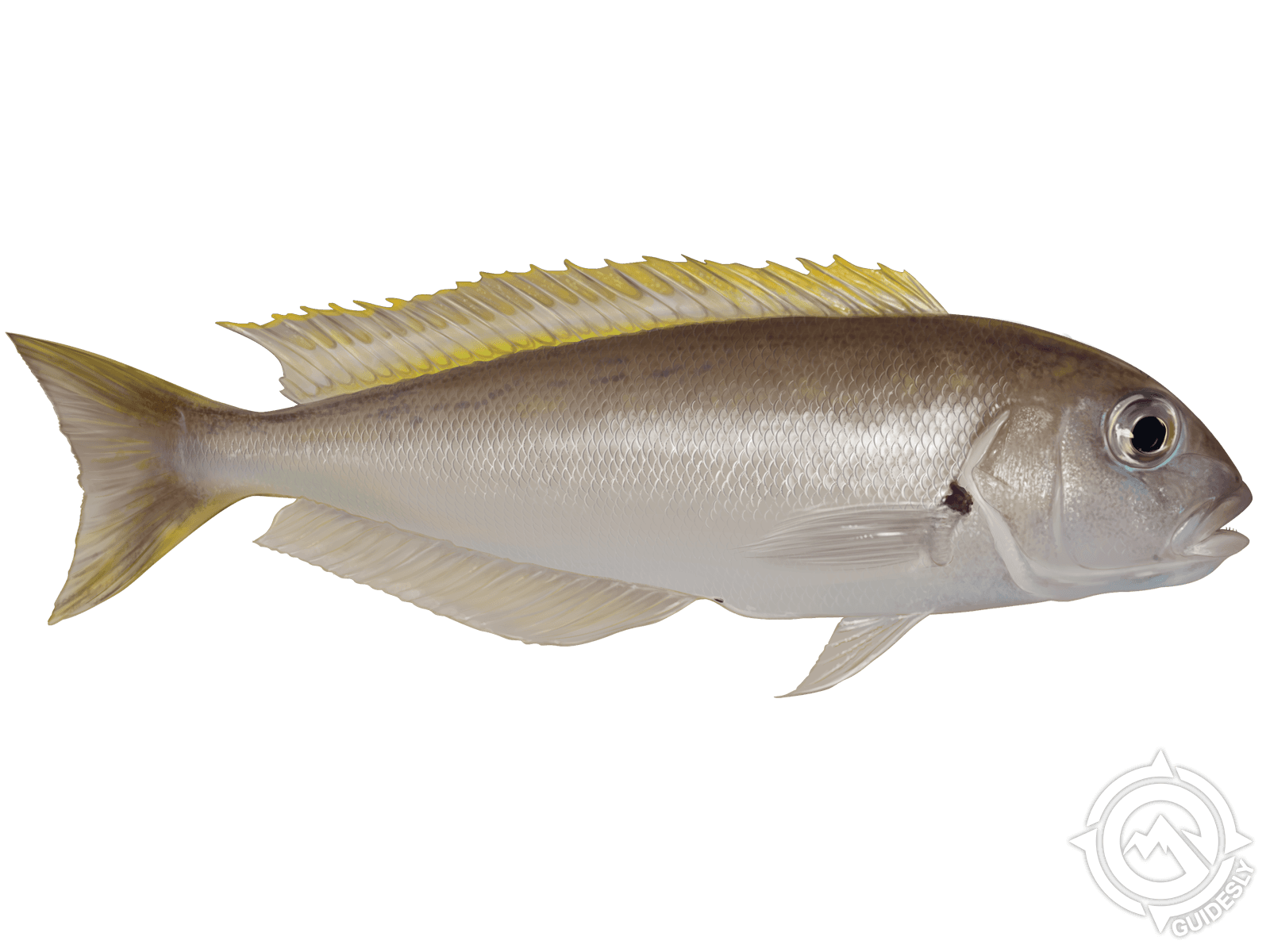
These golden-spotted beauties run 24-39 inches and pack 40-65 pounds of solid muscle on that olive-green frame. Unlike their deep-water tilefish cousins, goldeneyes prefer shallower tropical waters between 250-800 feet around coral reefs and sandy bottoms throughout the Caribbean. They're bottom feeders going after crabs, shrimp, worms, and small fish, which makes them fairly predictable to target. Spring and summer spawn brings the best action when they're most active. What draws people to them is the combination of good size, strong fight, and the fact they're not shy around bait. Just drop a weighted rig with fresh squid or eel to the bottom and wait for that solid thump. Pro tip: don't rush the hookset when you feel that first tug - let them get a good bite before reeling. They're curious fish and will usually commit if you give them a moment.
Barred Sand Bass
These grumpy-looking bass get their nickname from that distinctive protruding lower jaw, but don't let their 10-13 pound average fool you - they're scrappy fighters. You'll spot them by those dark vertical bars and the oversized third dorsal spine. They hang around sandy bottoms near rocks and kelp in 60-100 feet of water, though the bigger ones prefer deeper spots. Best action runs May through October, especially at sunset and into the night when a full moon really gets them going. What guests love is how willing they are to bite - they'll hit just about anything you throw at them. The meat's decent eating too. Here's the trick: figure out what depth they're feeding at by trying different levels with your lure. Once you dial it in, you can stay in that zone and pick them off one after another.